Beyond the Generic: How to Choose a Gift That Reflects His Personality and Interests?
The annual gift-giving cycle is less of a celebration and more Wine Gifts of an archaeological dig. You are excavating knowledge about someone—your https://blogfreely.net/rauteretgq/h1-b-less-stress-this-year-a-guide-on-how-to-make-fathers-day-gift-shopping partner, brother, friend—that you might not even know exists. It’s easy to fall into the trap of buying generic "nice things": another coffee mug, a scented candle, or yet another gadget he probably already has. The stress is real, and the pressure to find that perfect item feels immense. But what if gift-giving wasn't about spending money, but about demonstrating deep attention? If you want your thoughtfulness to land with a thud of perfection rather than a whisper of mediocrity, mastering the art of observation is everything.
Observing the Landscape: Moving Beyond 'Stuff' and Into Self
The biggest mistake people make when trying to figure out how to choose a gift that reflects his personality and interests? They focus solely on what he is (e.g., "He’s an outdoorsy guy"). That is only half the story. A person is not just a list of hobbies; they are a complex, shifting tapestry of needs, desires, and moments of pure joy.
Instead of listing interests, try to observe his behavioral patterns. When is he most engaged? Does he spend hours tinkering with something broken, or does he lose himself in the quiet rhythm of reading? These observations are like gold nuggets—they point toward a deeper vein of genuine passion. Think about his routines: what podcast does he gravitate toward when commuting? What documentaries does he recommend without being asked? These small details are clues that act as powerful signposts pointing to his intellectual and emotional landscape.
The Difference Between Hobby and Passion
A hobby is something you do for fun; a passion is something that makes your soul feel expansive. If he’s collecting action figures, it's a hobby. But if he spends hours researching the history of those characters or writing fan theories about them, that speaks to a deeper intellectual curiosity—a true passion. When making your list, always ask: Is this just a pastime, or is it a genuine source of joy and fulfillment?
The Three Pillars of Personalized Gifting
To navigate this complex task, we can break down his interests into three actionable pillars. By assessing which pillar resonates most strongly with him right now, you dramatically increase your odds of success.
- The Intellectual Pillar (The Learner): Does he love mastering new skills or understanding complex systems? Gifts here are often related to knowledge and experience. This could mean a subscription box for foreign language practice, an advanced book on astrophysics, or a specialized workshop in woodworking. The key is that the gift must invite learning, not just consumption.
- The Experiential Pillar (The Adventurer): These men value memories over material goods. Instead of buying him hiking boots, buy him a weekend trip to a national park. Rather than a gadget for his kitchen, treat him to a professional mixology class. The best gifts in this category are those that force him into a new scenario and allow him to create a story with you.
- The Sensory Pillar (The Curator): These men appreciate quality, craftsmanship, and the tangible pleasure of fine things—whether it's coffee, leather goods, or vinyl records. Look for items that emphasize durability and craftsmanship. Does he prefer rich smells? Are his hands always reaching for a finely made pen?
Decoding His Emotional Needs: The Gift Beyond the Interest
This is where most people stumble when trying to figure out how to choose a gift that reflects his personality and interests? They get stuck on the "what" (the item) when they should be focusing on the "why" (the feeling). Sometimes, what he truly needs isn't another piece of gear; it might be time, recognition, or peace.
I once knew a friend whose passion was restoring vintage motorcycles. We had bought him a beautiful set of tools—a perfect material gift. He loved them, but the day after, he looked genuinely disappointed. Turns out, what he truly craved wasn't the better wrench; it was the undivided two hours I spent with him in his garage, just watching him work and discussing the engine’s history. The gift that mattered most was the uninterrupted attention.
As one philosophy states, "The greatest compliment you can pay someone is to truly see them." A thoughtful gift acts as physical evidence of that deep seeing. Consider this rhetorical question: If money were no object, what would he say he wishes he had more time for? The answer often points directly to his emotional core—his truest interests.
Making the Purchase: Strategy and Precision
Once you have identified his pillar (Intellectual, Experiential, or Sensory) and understood his current need (Time, Recognition, etc.), it's time to buy. This requires a strategic approach that balances budget with impact.
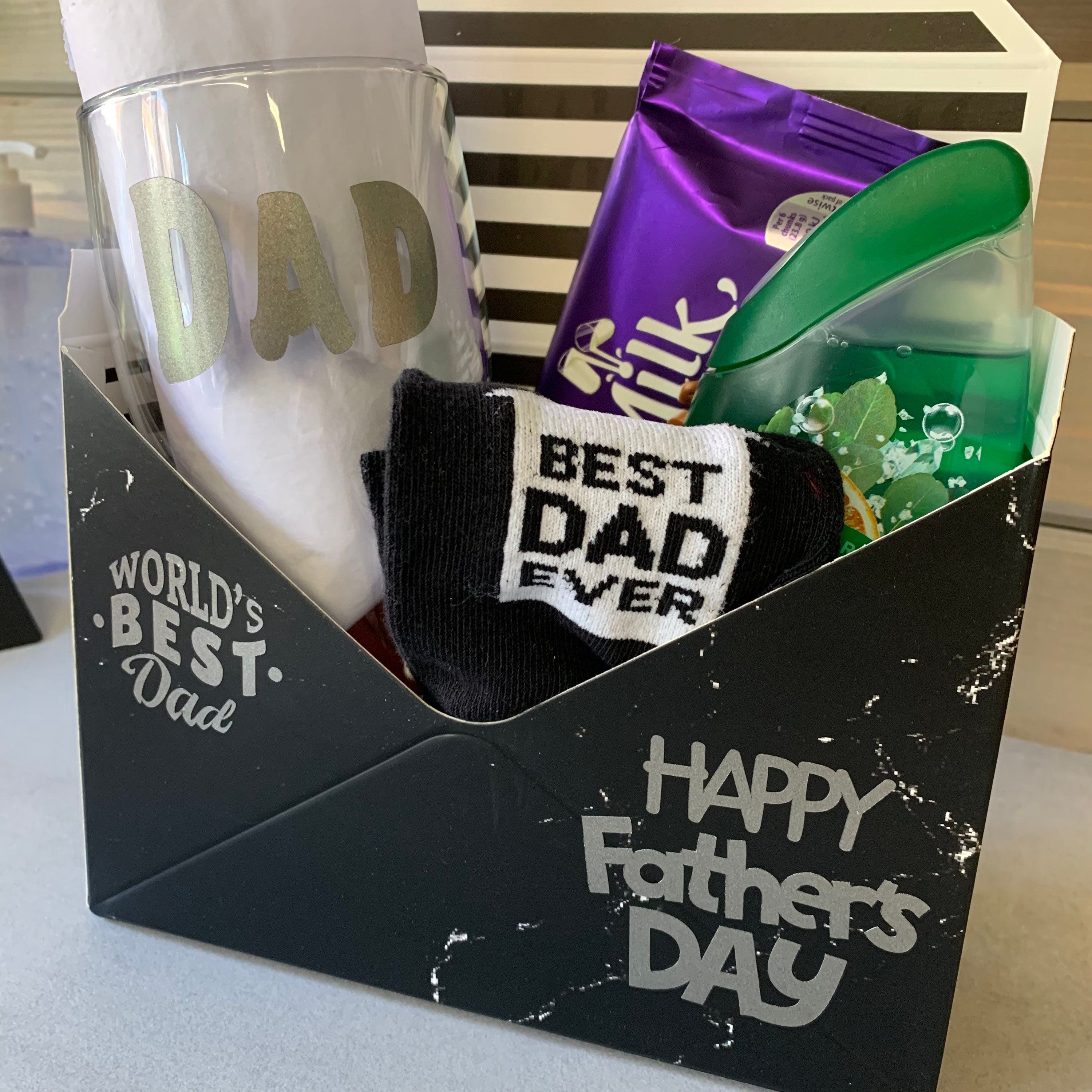
- The "Complementary" Rule: Never give him something that replaces an item he already loves; instead, give him something that enhances the activity around that item. If he loves baking sourdough, don’t get him another bread knife; get him a specialized steam basket insert for his existing Dutch oven.
- The Budget Pivot: If your budget is tight, pivot from material goods to shared experiences or curated knowledge. A beautifully formatted research guide on his niche topic, or a handwritten collection of favorite quotes related to his passion, can be more impactful than any gadget.
Does the anxiety of finding the perfect gift often overshadow the joy of giving? It shouldn't. Remember that the effort you put into discovery is always visible, even if the item itself seems small. This deep dive into how to choose a gift that reflects his personality and interests? should feel like detective work, not frantic shopping.
Beyond the Gift: Building a Relationship Dictionary for Future Moments
Gift-giving shouldn't be an annual crisis point; it should be a continuous practice of observation. The goal isn't just to buy this year, but to build a living, breathing "relationship dictionary" that maps his passions, his frustrations, and his quiet moments of joy. Every conversation is data.

Start compiling this personal intelligence now:
- What are three things he complains about needing more time for?
- What topics do his eyes light up when you mention them?
- What does he spend money on without ever thinking about it? (This is often the most honest indicator).
By treating gift-giving not as a transaction, but as an opportunity to practice profound attention, you will consistently find ways to surprise him. Keep listening, keep observing, and let your genuine curiosity guide every future choice.